Enhancing Manufacturing Processes: The Impact of 3D Laser Scanning on High Quality Control
3D laser scanning modern technology is transforming quality assurance in manufacturing. By offering high-resolution information and accurate measurements, it allows producers to identify discrepancies from requirements effortlessly. This improvement not only streamlines inspection processes yet additionally improves functional efficiency. 3D Scanning. However, the application of this technology includes its very own set of challenges. Exploring these elements discloses the broader ramifications for industries and the future landscape of production
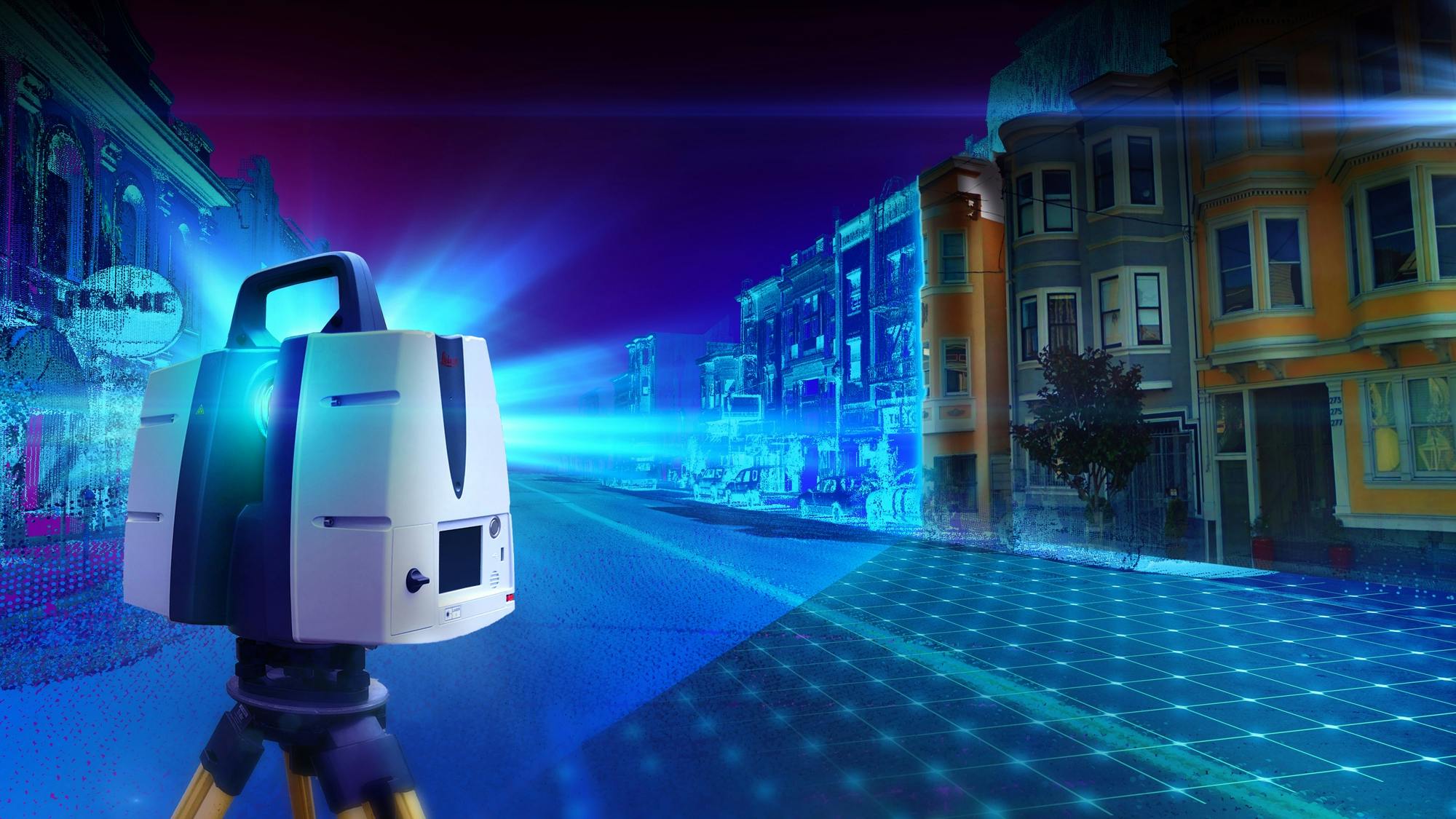
Understanding 3D Laser Scanning Technology
3D laser scanning modern technology has evolved substantially in current years, its essential concept remains uncomplicated: capturing the exact geometry of items making use of laser beams. This innovation employs laser light to measure distances in between the scanner and various factors on an object's surface area. The data collected is then refined to produce a thorough 3D model, precisely showing the measurements and shapes of the checked item.
Typically, 3D laser scanners can be classified into 2 main types: call and non-contact scanners. Get in touch with scanners physically touch the object to collect measurements, whereas non-contact scanners utilize laser light beams to catch data from a range. The convenience of this modern technology enables its application throughout various markets, consisting of building and construction, manufacturing, and style. Its capability to produce high-resolution designs assists in quality assurance, reverse engineering, and rapid prototyping, ultimately improving design precision and effectiveness in manufacturing processes.
Benefits of 3D Laser Scanning in Manufacturing
As manufacturers look for to enhance efficiency and precision in their processes, the advantages of 3D laser scanning have become progressively evident. This cutting-edge modern technology permits extremely accurate and rapid measurements of complex geometries, substantially lowering the moment needed for quality checks. By catching thorough data, manufacturers can recognize disparities early in the production procedure, therefore lessening waste and remodel expenses.
Additionally, 3D laser scanning facilitates better layout recognition, enabling designers to contrast as-built conditions with original requirements. This capability ensures that any variances are immediately resolved, improving general item top quality. Furthermore, the modern technology supports the creation of electronic twins, which can be used for simulations and process optimizations. Because of this, suppliers not just enhance their functional performance however likewise enhance their affordable benefit on the market. In general, the integration of 3D laser scanning represents a transformative action toward attaining greater standards in producing quality assurance.
Assimilation of 3D Laser Scanning Into Quality Assurance
Incorporating 3D laser scanning into high quality control processes boosts the precision and effectiveness of inspections throughout manufacturing. This modern technology allows manufacturers to record thorough, high-resolution information of components and assemblies, enabling specific measurements and contrasts against design specs. By utilizing 3D laser scanning, companies can identify inconsistencies from tolerances better, which is vital for keeping product stability.
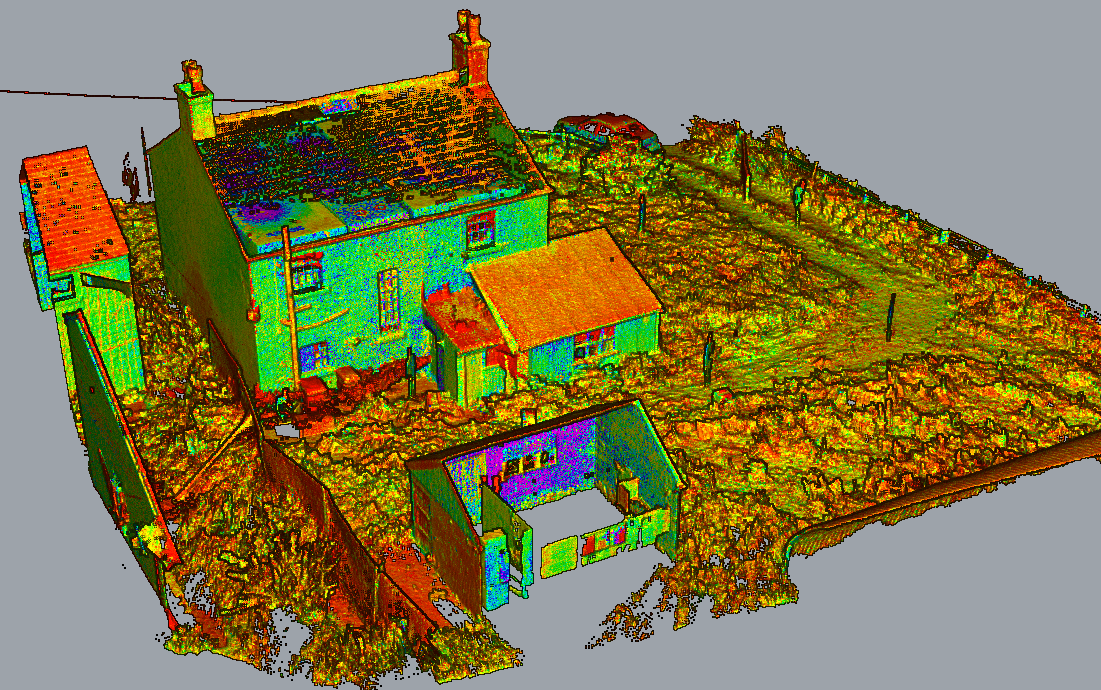
Real-World Applications and Study
Real-world applications of 3D laser scanning in making show its transformative impact across various markets. As an example, aerospace firms use this technology to perform accurate examinations of components, guaranteeing they fulfill stringent security standards. A notable situation involved a leading airplane manufacturer that employed 3D laser scanning to streamline its high quality control processes, substantially decreasing evaluation times and mistakes.
In the auto industry, makers have executed laser scanning to produce electronic twins of their lorries, allowing real-time changes throughout manufacturing. One vehicle firm reported a 30% reduction in rework costs after integrating this technology into their assembly lines.
Additionally, in the consumer items industry, firms are making use of 3D laser scanning for quick prototyping, enabling quicker versions and enhanced item styles. These applications illustrate how 3D laser scanning not only enhances precision but also enhances performance and innovation throughout multiple production domain names.
Getting Rid Of Obstacles in Application
Executing 3D laser scanning in manufacturing presents numerous difficulties that companies should navigate to totally realize its advantages. One considerable hurdle is the initial cost of equipment and software program, which can deter firms from adopting this modern technology. In addition, integrating 3D laser scanning right into existing process requires getting over resistance to transform amongst workers, necessitating thorough training programs to assure efficiency. Data management additionally poses an obstacle, as the high quantity of details produced by 3D scanning should be effectively refined and examined to acquire actionable understandings. In addition, compatibility issues with tradition systems might prevent seamless integration, demanding possible upgrades or alterations. Resolving these challenges is important for manufacturers aiming to improve quality assurance and maximize manufacturing procedures. By creating clear strategies for training, investment, and special info data management, firms can reduce these challenges and release the transformative potential of 3D laser scanning in their procedures.
Future Patterns in 3D Laser Scanning for Manufacturing
As producing remains to advance, the combination of 3D laser scanning with enhanced automation is anticipated to transform manufacturing procedures. Improved data analytics will play an important duty in boosting and optimizing process quality control. These patterns highlight the possibility for better efficiency and precision in making environments.
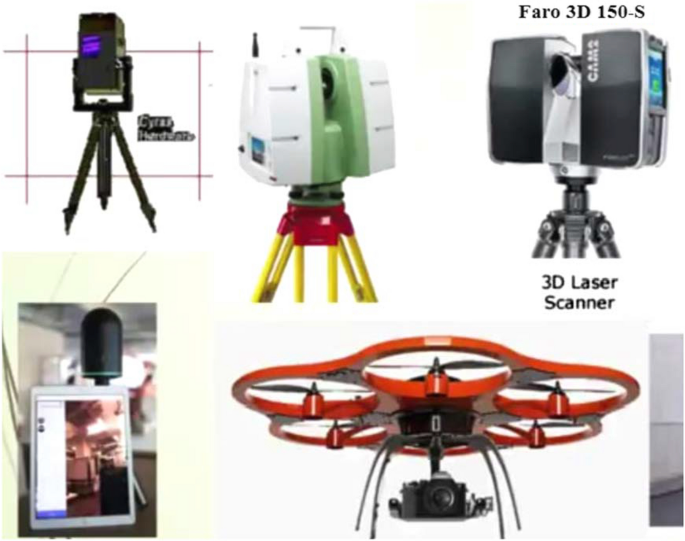
Raised Automation Combination
Although the combination of automation in manufacturing has actually been steady, the future of 3D laser scanning is poised to accelerate this pattern significantly. As manufacturing procedures end up being progressively intricate, the demand for accurate, real-time measurements expands. 3D laser scanning innovation uses automated information capture, decreasing labor costs and minimizing human mistake. This integration allows producers to enhance quality assurance procedures, enabling rapid detection of variances in manufacturing. In index addition, the positioning of 3D laser scanning with robotics and automated systems facilitates seamless procedures, improving overall effectiveness. As producers embrace these innovative modern technologies, they can anticipate better precision and performance, positioning themselves competitively in a swiftly progressing market. The harmony between automation and 3D laser scanning notes a significant leap ahead in producing technology.
Improved Data Analytics
The combination of automation has actually led the way for innovations in information analytics within the domain name of 3D laser scanning. Makers are increasingly leveraging sophisticated algorithms and maker learning methods to examine huge datasets generated by laser scans. This enhanced information analytics capability enables real-time surveillance of producing procedures, allowing the identification of inconsistencies and issues much more efficiently than conventional techniques. Anticipating analytics can anticipate prospective issues, considerably minimizing downtime and boosting overall effectiveness. Additionally, the capacity to imagine information in three dimensions supplies deeper understandings into manufacturing process, fostering far better decision-making. As 3D laser scanning innovation remains to advance, the duty of information analytics will come to be significantly crucial in driving technology and keeping affordable advantage in manufacturing.
Regularly Asked Inquiries
What Industries Benefit one of the most From 3D Laser Scanning?
The markets that profit most from 3D laser scanning include manufacturing, building, aerospace, automobile, and medical care. These industries use the technology for precision dimensions, quality control, and effective design procedures, significantly enhancing general functional performance.
How Does 3D Laser Scanning Contrast to Typical Measurement Approaches?
3D laser scanning provides greater precision and rate contrasted to conventional measurement approaches. It records in-depth geometries rapidly, lowering human mistake and facilitating better analysis, which inevitably improves overall quality assurance in numerous sectors.
What Is the Expense of Carrying Out 3D Laser Scanning Modern Technology?
The cost of implementing 3D laser scanning innovation differs significantly, typically varying from $10,000 to $100,000, relying on software program, training, and equipment. Organizations must weigh these costs versus possible effectiveness and quality renovations.
Are There Specific Software Application Requirements for 3D Laser Scanning?
Yes, 3D laser click here to find out more scanning calls for specific software application, consisting of information processing and modeling applications. Usual choices include CAD software program, factor cloud processing tools, and specialized applications that promote the integration and analysis of scanned data for suitable results.
For how long Does a Typical 3D Laser Scanning Refine Take?
A regular 3D laser scanning process can take anywhere from a couple of minutes to several hours, depending on variables like the dimension of the things, intricacy of the environment, and required level of information for accuracy.
3D laser scanning technology is transforming quality control in production. 3D laser scanning technology has developed significantly in current years, its basic principle continues to be uncomplicated: capturing the precise geometry of things making use of laser light beams. Integrating 3D laser scanning right into quality control processes improves the accuracy and performance of inspections throughout production (3D Scanning). 3D laser scanning innovation supplies automated information capture, decreasing labor prices and lessening human error. The price of executing 3D laser scanning technology differs significantly, usually varying from $10,000 to $100,000, depending on training, software program, and tools